This article may contain affiliate links. If you buy through them, Mornings in Soft Light may earn a small commission at no extra cost to you. Learn more.
In the stillness of early morning, before the world wakes, I find that the arrangement of my space plays a profound role in shaping my thoughts and emotions. Soft light filters through the window, casting gentle patterns on the floor, inviting me to pause and breathe. To create a room that fosters serenity and reflection, I have learned to pay close attention to the interplay of light, texture, and the arrangement of objects.
The Role of Light
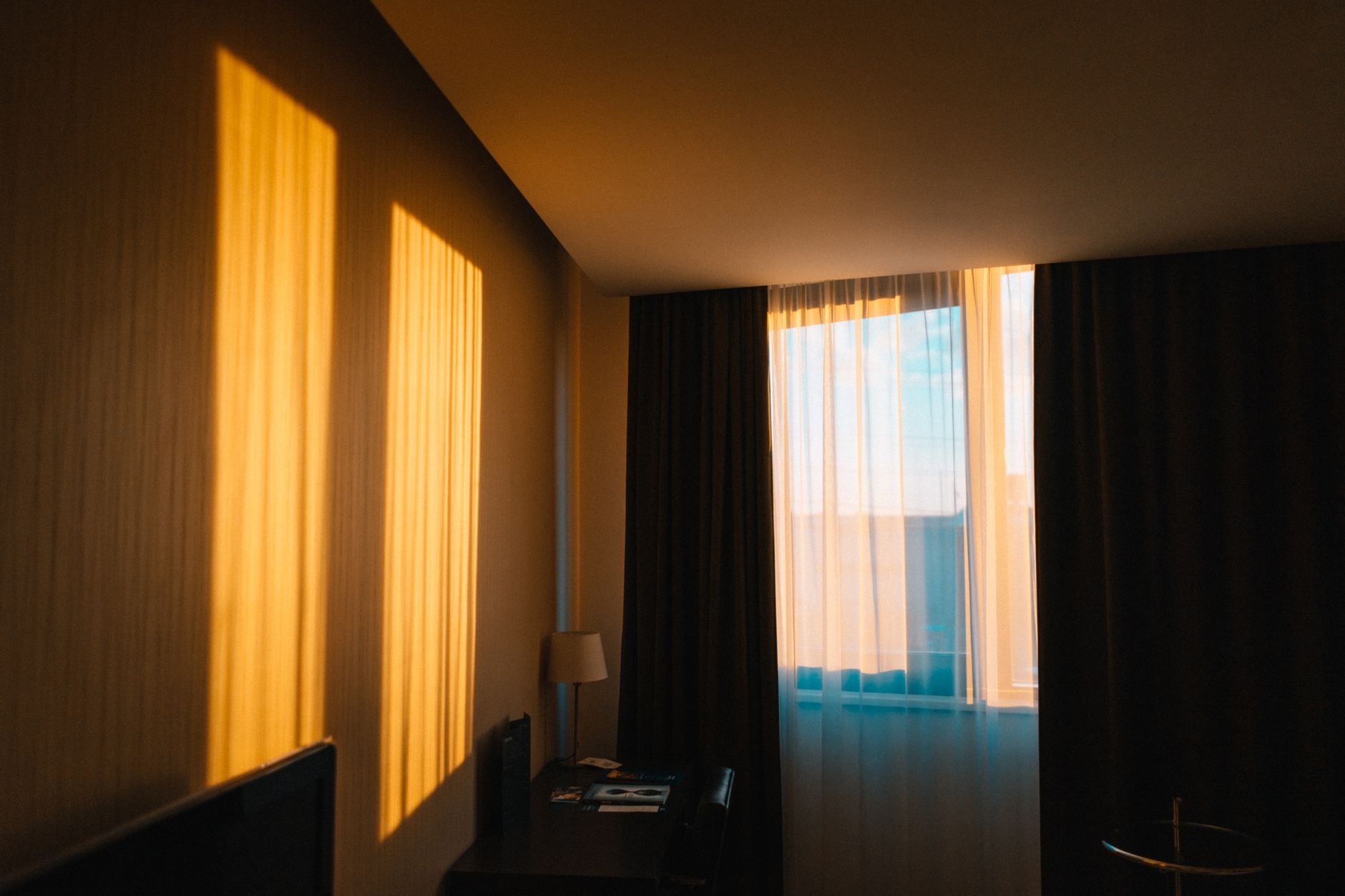
Light is the first ingredient in this recipe for tranquility. The quality of natural light changes throughout the day, shifting from the soft blush of dawn to the bright, unforgiving glare of midday. In my living room, I position my reading chair near a wide window. As the sun rises, the light spills in, bathing the space in a warm, golden hue. This angle not only offers the best view of the tree outside but also encourages a gentle embrace from the sun’s first rays. I find that these early hours, filled with soft illumination, create an atmosphere conducive to quiet contemplation.
In contrast, the late afternoon light casts long, dramatic shadows that can stir a reflective mood. I appreciate how the sun’s trajectory can alter the character of a room. Sometimes I pause, observing the way a shadow moves across my bookshelf, shifting the focus from one corner of the room to another, transforming the familiar into something new.
Textures and Materials
The materials that fill a room also influence its serenity. I gravitate toward soft fabrics and natural elements. A linen throw draped across my reading chair adds a layer of comfort, inviting me to sink into its folds as I sip my morning tea. The soothing texture of the fabric offers a tactile reminder to slow down. I have chosen a simple wooden table, its surface smooth and cool to the touch, to hold my daily journal and a small vase of wildflowers. The wood, with its subtle grain, brings warmth to the space and a sense of groundedness.
Gaston Bachelard wrote about the poetic nature of spaces, emphasizing how our homes can be reflections of our inner lives. The way I arrange my room echoes this thought. Each object I choose is imbued with meaning, a delicate cup from a trip to the coast, a book that has provided solace during difficult times. These items remind me of moments of stillness and joy, creating a sanctuary that nurtures the spirit.
The Power of Minimalism
To create a serene environment, I have learned the art of minimalism. Clutter can cloud the mind and distract from reflection. As I periodically reassess my belongings, I ask myself whether each item truly serves a purpose or brings me joy. I have made a conscious choice to keep surfaces clear, allowing the eye to rest and the mind to focus.
In my home, surfaces are intentionally left open, the kitchen countertop is free from excess appliances, and the living room shelves hold only a handful of well-loved books. This intentionality invites a sense of calm, allowing me to shift my attention inward, encouraging deeper reflection during quiet moments.
Creating a Dedicated Space for Reflection
A dedicated corner for reflection can enhance the overall serenity of a room. I have carved out a small nook under a window, furnished with a simple chair and a small side table. This space is my retreat for journaling and introspection. I keep a few carefully selected items nearby, an incense holder, a small bowl for collected stones from walks, and a single candle that flickers softly during the twilight hours.
Here, I am surrounded by the sounds of the outside world, birds chirping, leaves rustling in the breeze. This gentle soundtrack becomes a natural backdrop for reflection, encouraging me to explore my thoughts without interruption. The presence of plants in this corner, too, contributes to the serenity. Their green leaves breathe life into the room, reminding me of the delicate balance between nature and home.
Mindful Arrangement of Furniture
The arrangement of furniture can greatly affect the flow and feel of a room. I have found that leaving enough space for movement encourages a sense of freedom and reduces feelings of confinement. In the living room, I’ve positioned the sofa away from the wall, creating an inviting conversation area while allowing light to stream in from multiple angles.
Additionally, I consider the pathways within the room, ensuring that they are unobstructed. This simple act transforms the room into a space where I can move mindfully, each step becoming an opportunity to breathe deeply and appreciate the moment.
Incorporating Nature
Bringing elements of nature indoors fosters a sense of calm and connection to the outside world. I often fill my home with plants, each one carefully chosen for its ability to thrive in the light available. Their presence softens the space and purifies the air, creating an environment that feels alive. A spider plant sits perched on my windowsill, thriving in the morning sun. Watching it reach toward the light reminds me of resilience and growth, encouraging me to reflect on my own journey.
Using natural materials, like stone or wood, for decorative accents further enhances this connection. A small stone bowl filled with river rocks sits on my coffee table, grounding the room in earthy textures. The tactile nature of these items encourages a slower pace, inviting me to pause and truly experience my surroundings.
Sound and Silence
Though often overlooked, sound plays a vital role in the atmosphere of a room. I have grown to appreciate the quietude that comes from a thoughtfully arranged space. A soft rug absorbs footsteps, dampening the echoes of daily life. I also find that soothing music or the gentle sound of rain can enhance moments of reflection, creating a cocoon of comfort.
Equally, silence holds its own power. In the early morning, the absence of noise allows me to sit with my thoughts, welcoming a meditative state. This stillness transforms the room into a sanctuary, where I can fully embrace the act of being present.
Intention in Daily Rituals
The routines we create in our spaces also contribute to a sense of serenity. My morning ritual involves lighting a candle and brewing a cup of tea, a ritual that signals the start of the day. The warmth of the cup in my hands and the flickering flame provide grounding sensations, drawing my attention away from the chaos of the outside world. I take a moment to sit in my favorite chair, allowing the light to wash over me as I sip slowly, each taste reminding me of the present.
As I move through the day, I find small rituals, setting the table for lunch, arranging flowers, or simply pausing to observe the play of light across the wall, all serve to enhance my connection to the space. These gentle acts of care encourage me to remain mindful and engaged, nurturing a sense of peace that lingers even as the day unfolds.
Closing Thoughts
Arranging a room for serenity and reflection is an ongoing journey, one that invites a deeper understanding of how our environments shape our inner lives. By paying attention to the nuances of light, texture, sound, and intention, we can create spaces that nurture our spirits and foster moments of quiet contemplation. As I sit in my sunlit nook, I am reminded that the act of crafting a peaceful home is as much about the objects we choose as it is about the stories we create within those walls.