This article may contain affiliate links. If you buy through them, Mornings in Soft Light may earn a small commission at no extra cost to you. Learn more.
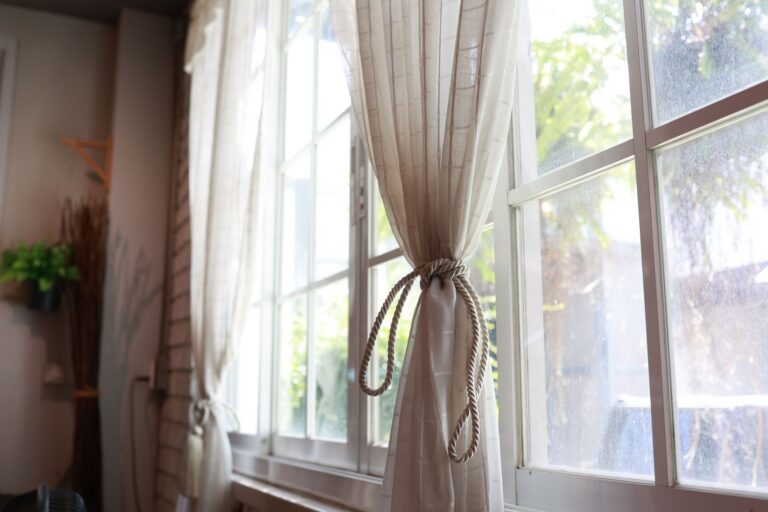
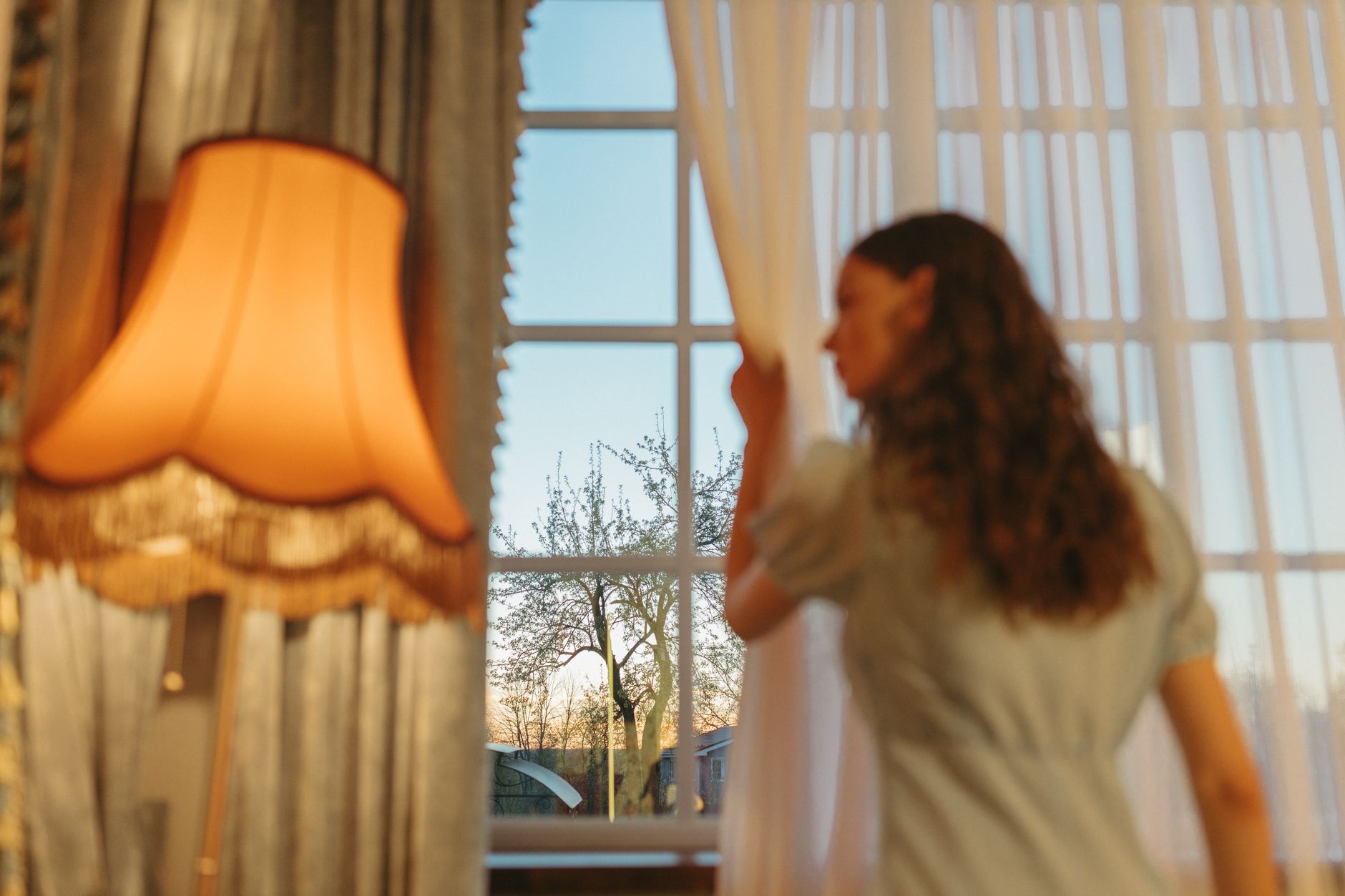
As the sun begins to rise each morning, it filters through my living room window, casting soft patterns of light across the floor. I often pause to watch how the brightness interacts with the fabric of my curtains, the gentle drapery transforming the harsh glare of the early day into something more tender. This interplay between light and material shapes the mood of the room, creating a sanctuary that invites stillness and reflection.
Drapery serves a greater purpose than simply dressing a window; it has the power to influence how a space feels and functions. Choosing the right fabric, color, and weight of drapery can create a sense of calm and comfort. In our fast-paced world, where distractions lurk at every turn, the quiet suggestion of drapery invites us to slow down and embrace moments of solitude.
Textiles and Texture
The texture of fabric plays a vital role in how our environment affects us. Lighter materials, such as linen or cotton, can evoke a sense of breeziness. When the morning air flows through these fabrics, they dance gently, creating a soft, meditative rhythm. Conversely, heavier textiles like velvet or wool have a grounding presence. In the winter months, I find solace in my heavier drapes, which hold warmth and create a cocoon-like atmosphere, wrapping me in tranquility as I sip my morning tea.
As I walk across the room, my fingertips often brush against the fabric of the curtains, and I am reminded of the tactile nature of my surroundings. This interaction between body and material enriches my experience. The weight of the drapery can also serve to absorb sound, minimizing echoes and creating a quieter space. In moments of stillness, when the outside world feels distant, I can hear the faint rustle of the fabric as it shifts with the slightest breeze.
Light and Shadow
The way light filters through drapery can dramatically alter a room’s atmosphere. Sheer curtains allow gentle sunlight to diffuse, softening edges and creating a delicate interplay of light and shadow. In the early morning, this ethereal quality invites a sense of hope and renewal into my space. The soft glow fills the room, casting a warm embrace that encourages a slower start to the day.
On the other hand, heavier drapery can create a cocoon of shadow and intimacy. In my bedroom, I often draw the thick curtains closed during the night, welcoming a comforting darkness that lingers until the sun insists on breaking through. This contrast between light and shadow resonates with the ideas explored by Gaston Bachelard in “The Poetics of Space,” where he reflects on how our surroundings can cradle our dreams and encourage introspection.
Color and Mood
The color of drapery also plays a crucial role in shaping our perception of space. A soft, neutral palette can promote serenity, while deeper, richer hues can evoke a sense of comfort and grounding. In my home, I have chosen curtains in soft earth tones that harmonize with the warm wooden tones of the furniture. The muted colors reflect the gentle light, enhancing a feeling of calm rather than distraction. Each time I pull the curtains aside, revealing the vibrant world outside, I am reminded of the delicate balance between openness and serenity.
Functionality and Flow
Besides their aesthetic qualities, drapery holds functional significance. The ability to control light and privacy is essential in creating calm spaces. When I wake up, I often find myself reaching for the curtain pull, drawing it aside to welcome the morning light. This simple action transforms the room, allowing the outside world to seep in while still maintaining a sense of calm. Draperies can also shield against unwanted noise and create a sense of sanctuary, allowing for moments of focused solitude.
- Consider layering different types of curtains for versatility, such as sheer panels combined with heavier drapes for flexibility in light control.
- Opt for blackout curtains in bedrooms to ensure restful sleep, while choosing sheer materials in living areas to invite natural light.
- Pay attention to the way the fabric interacts with the changing light throughout the day; this can enhance the mood of the space dramatically.
Personal Reflections
Every morning, I find joy in the small ritual of adjusting my curtains. The way the fabric responds to the light creates a moment of pause before my day begins. I am often captivated by how the golden rays filter through the sheer layers, casting an intricate pattern on the walls that shifts as the sun rises higher. This experience reminds me of the importance of intention in our daily rituals, as well as the beauty found in the interplay of environments and human presence.
In my quiet moments of journaling, I appreciate the stillness that drapery can foster. With the curtains drawn, I can immerse myself in the pages before me, cocooned in an atmosphere that feels safe and nurturing. The sound of a gentle breeze rustling the fabric serves as a reminder of the world beyond, yet my focus remains anchored here, in this haven I have created.
Conclusion
In the quest for calm spaces, drapery serves as an understated yet impactful element. The interplay of texture, light, and color creates an ambiance that encourages tranquility and mindfulness. By thoughtfully choosing and arranging fabric, we can craft environments that reflect our desire for peace amidst the chaos of everyday life. In my own home, I have found that these small details matter immensely, shaping my mornings and inviting serenity into my days.