This article may contain affiliate links. If you buy through them, Mornings in Soft Light may earn a small commission at no extra cost to you. Learn more.
In the soft light of morning, I often find myself drawn to the textiles that inhabit my home. These pieces, each with their own unique stories and blemishes, contribute to a sense of warmth and character that mass-produced fabrics simply cannot replicate. There is a particular beauty in the irregularities of handmade goods, where the slight variations in weave and color evoke a feeling of authenticity and intimacy. To embrace these imperfections is to embrace the very essence of living slowly, allowing our surroundings to reflect the stories of our lives.
The Allure of Handcrafted Textiles
Handcrafted textiles are imbued with the touch of their makers. The roughness of a handwoven rug beneath my feet in the early hours is a tactile reminder of the human effort invested in its creation. I often run my fingers along the surface, feeling the uneven threads and small knots that tell a tale of time and craftsmanship. These imperfections contrast sharply with the sterile perfection of machine-made alternatives, which lack a personal connection.
In my living room, an old quilt drapes over the back of a worn sofa. Its faded colors, soft blues and gentle yellows, speak of afternoons spent in sunlight, the fabric softened by years of washing and love. The quilt is not without its fraying edges and small patches where a previous tear was mended, yet these very marks enrich its narrative. They serve as a history of a space where laughter, conversation, and quiet moments have unfolded. Each minor flaw is a testament to the life lived within that fabric.
Nature’s Influence on Textiles
The tactile qualities of textiles are also influenced by their natural fibers, which bring with them a connection to the environment. Linen, for instance, is known for its breathability, making it perfect for warm mornings when the sun streams through the window. The fibers carry a slight crispness that softens with use, imbibing a space with a gentle elegance that is anything but perfect. I can feel the texture against my skin as I sit wrapped in a linen throw, the play of light on its surface shifting as I move.
Silk, too, offers a different experience. While its smoothness may appear flawless, the subtle variations in hue reveal the hand of nature in its crafting. I have a silk scarf that subtly changes color depending on the light, transitioning from a deep navy blue to a soft grey as the day progresses. This quality of silk reminds me of Junichiro Tanizaki’s reflections on the beauty found in the interplay of light and shadow. It is where the perceived imperfection lies that true beauty emerges, inviting us to observe more deeply.
Textiles in Daily Rituals
Incorporating imperfect textiles into my daily rituals is simple. Each morning, I brew a cup of tea and take a moment to enjoy it in my favorite mismatched cup. The chipped rim of the cup is not a flaw but a feature, a reminder of simpler times when things were not so easily discarded. As I sip, the warmth of the tea in my hands contrasts with the cool linen of the tablecloth beneath. This small interaction brings me into the present, where the atmosphere is shaped not just by the objects themselves but by the stories they carry.
Every element of my home, from the frayed edges of a vintage table runner to the hand-stitched patterns on my favorite cushion, contributes to a larger narrative of comfort. I find that these textiles invite a slower pace, encouraging lingering moments rather than hurried engagements. The scratchy feel of a wool blanket draped over my shoulders on a cool morning fosters a sense of coziness that feels both familiar and inviting.
Creating Balance in Imperfections
While embracing imperfection can feel daunting, it ultimately creates a space that is uniquely ours. A living room filled with eclectic textiles, a patchwork of colors, patterns, and textures, reflects individuality and thoughtfulness. The balance comes from acknowledging the tension between what is orderly and what is not. A perfectly curated room can feel sterile, while a space rich with character invites warmth and conversation.
-
A collection of vintage textiles can tell a story of travel and exploration, drawing in elements from far-flung places.
-
Layering different fabrics, such as a soft cotton throw over a woolen blanket, adds depth and interest to any room.
-
Choosing textiles in natural colors and fibers keeps the atmosphere grounded, harmonizing with the rhythm of the seasons.
Choosing to embrace imperfection also encourages sustainability. When we celebrate items that bear the marks of time, we foster a mindset that resists the throwaway culture dominating our society. Each fabric thread, each subtle stain, and every tiny tear tells us something important about our relationship with the material world. It nudges us toward a more mindful existence.
Textiles and Reflection
The act of surrounding ourselves with imperfect textiles can also encourage reflection. I often find myself pausing to consider the origins of a piece, a hand-knitted throw from a friend, a tapestry gathered from a local market. Each choice reflects a moment of connection, whether with the maker or the environment. As I sip my morning tea, I feel a sense of gratitude for these objects. They serve as touchstones, reminding me to be present and appreciative of the small details.
“We must learn to see the beauty in the imperfect, in what is worn and frayed, for it is there that we can find meaning.”
Curating Imperfection
Engaging with textiles also invites us to curate our spaces more thoughtfully. I encourage you to consider the emotions that each piece evokes. A soft, faded rug can anchor a room, offering a base that balances the more polished elements of our decor, such as sleek furniture or contemporary art. This is where the interplay of texture becomes essential. Contrasting rougher, imperfect fabrics with smoother surfaces helps create depth and visual interest.
When choosing textiles, think about how they feel beneath your fingertips, how they interact with light, and how they contribute to the mood of your space. A well-loved quilt may soften the starkness of a modern chair, while a handmade cushion can infuse warmth into a minimalist setting. Each fabric can be an invitation to slow down, to invite a moment of consideration before we move on to the next task.
Closing Thoughts on Textiles and Space
In our fast-paced world, where everything is designed to be shiny and new, embracing the imperfections in textiles allows us to cultivate an environment that feels true to who we are. These fabrics invite us to slow down, to notice the subtleties of light and texture that shape our experiences. They encourage us to reflect on the passage of time, reminding us that it is often the worn and frayed edges that tell the most compelling stories.
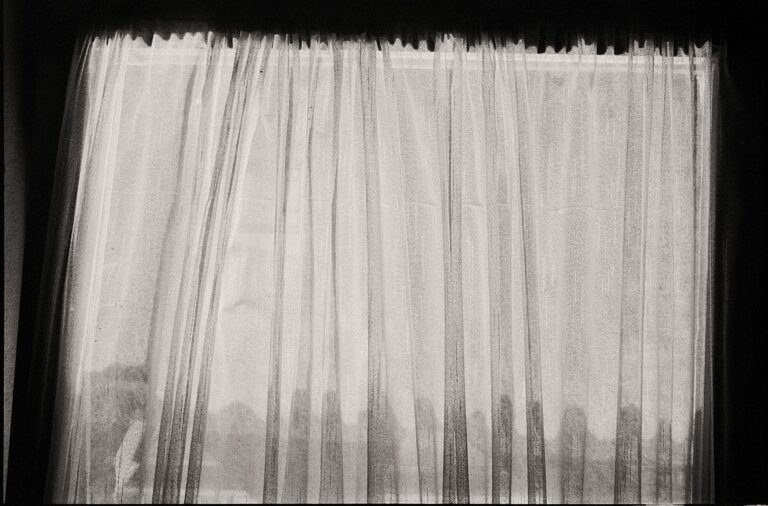
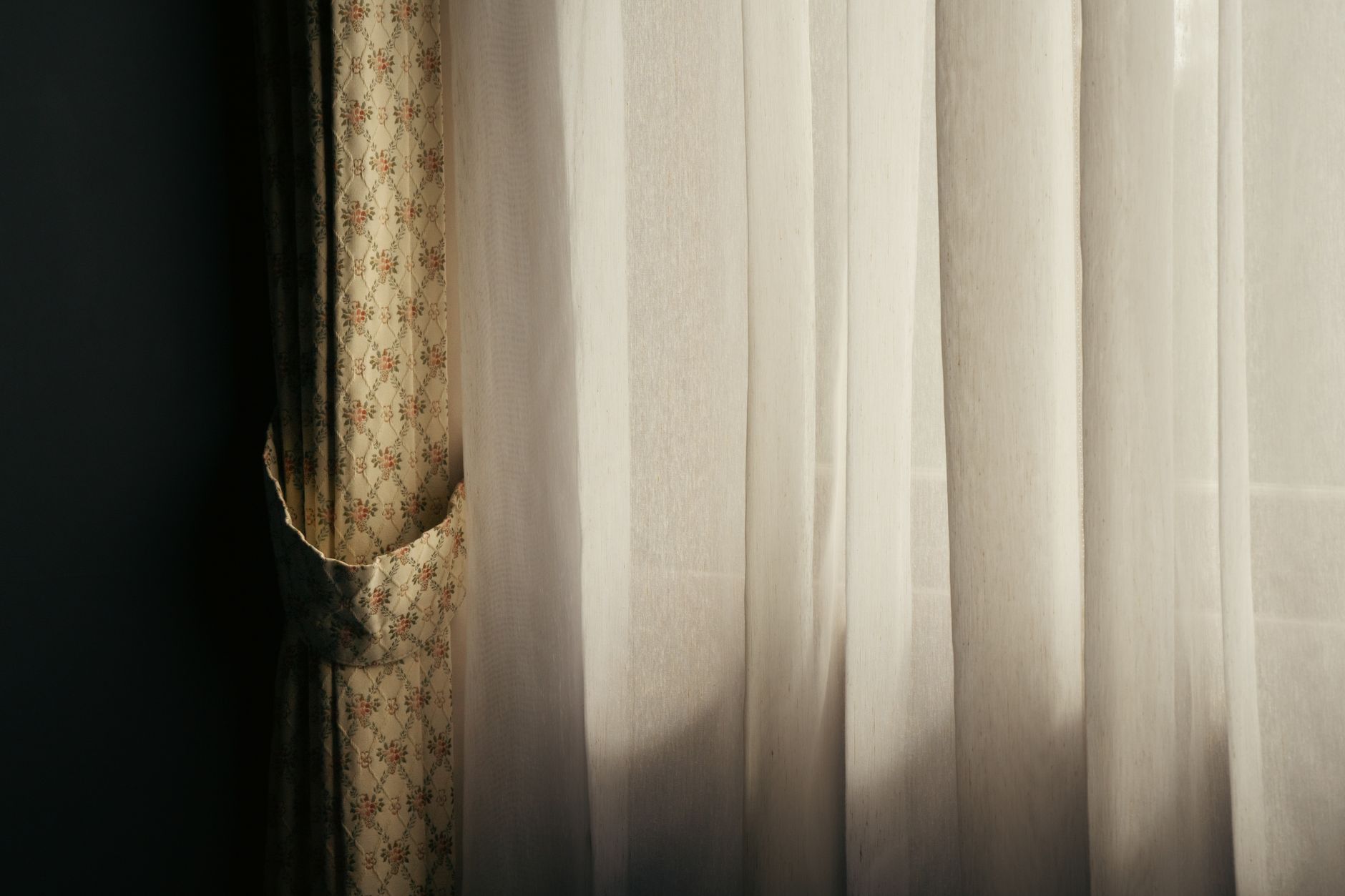
As the morning light filters through my window, illuminating the gentle flaws in my textiles, I find comfort in their presence. They embody the essence of quiet living, a tangible connection to the moments that define our lives. In each imperfection, there lies an invitation to pause and appreciate the beauty of a life well-lived.