This article may contain affiliate links. If you buy through them, Mornings in Soft Light may earn a small commission at no extra cost to you. Learn more.
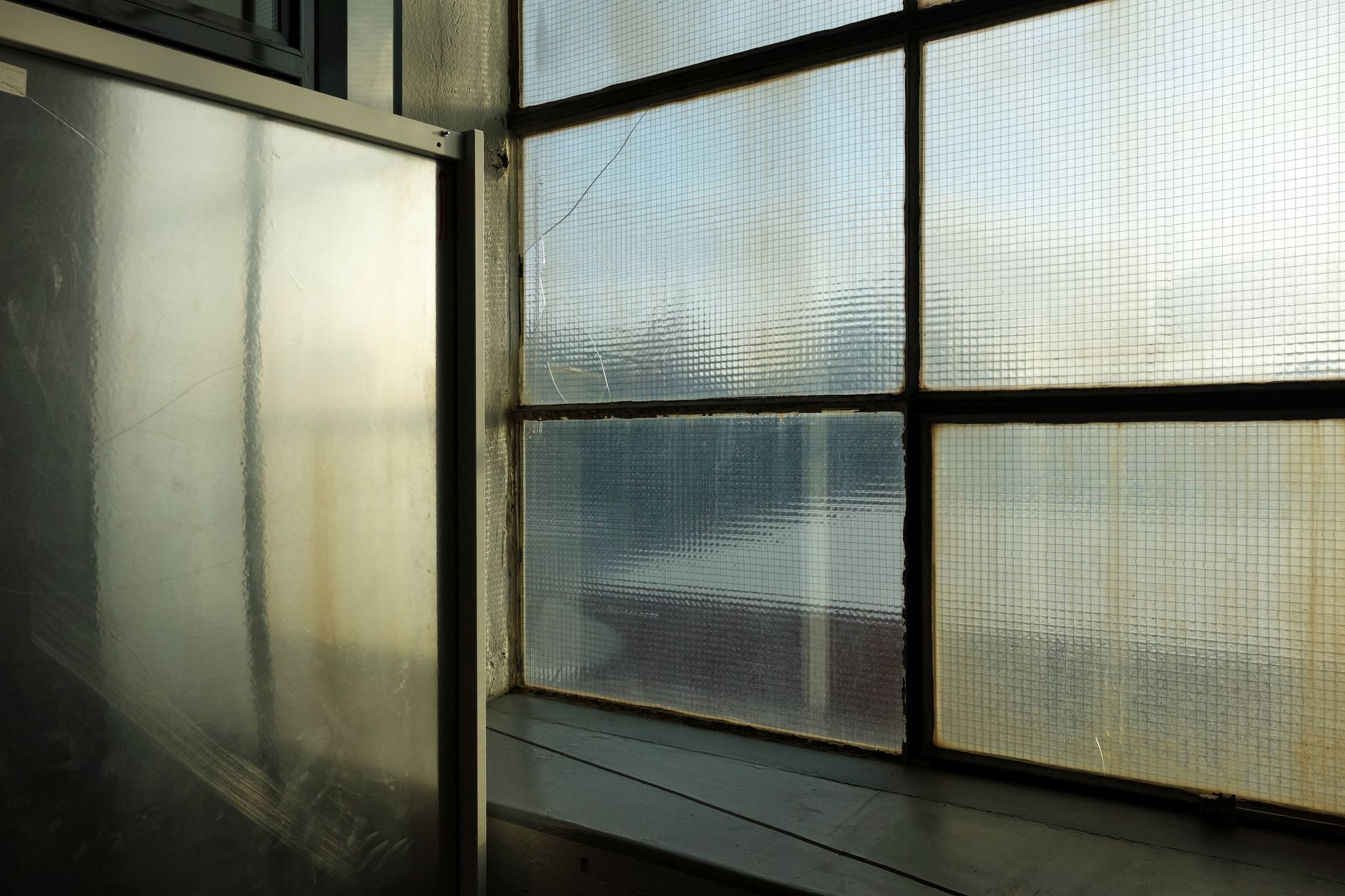
Windows are more than mere openings in the walls of our homes. They serve as frames for the outside world, inviting the day in while keeping us sheltered in our own sanctuaries. The way light pours through them can transform a space, altering not only its visual texture but also its emotional resonance. In my own home, the east-facing window in the kitchen is where mornings begin, a portal through which the day unfurls itself with a delicate grace.
Light and Shadow Play
The early light cascades through the window in soft streams, each ray intricately weaving patterns on the worn wooden table. This light holds a certain quality, warm and inviting, as if the sun is gently coaxing the world awake. During the summer months, the beams seem to dance, casting playful shadows that shift as the sun rises higher. Each morning, this quiet performance invites me to pause, to momentarily lose myself in the interplay of light and shadow.
In contrast, the winter months bring a different aura, a starkness that envelops the house in a muted calm. The low sun struggles to penetrate the thick clouds, its presence felt more than seen. The cold, silver light finds its way through, offering a sense of solitude that feels almost sacred. In these moments, when the world outside is draped in gray, the window becomes a refuge, a barrier against the chill while providing glimpses of the quiet landscape beyond.
Framing Nature’s Canvas
A window frames the outside, much like an artist’s canvas, capturing the subtle nuances of nature. The view shifts with the seasons, each offering its own story. In spring, the branches of the cherry blossom tree outside burst into bloom, a riot of pink that seems to invite the very essence of joy into the room. As the petals flutter down, they create a soft carpet on the ground, mirroring the gentle hues of dawn spilling through the glass.
Summer brings with it a lush green, where sunlight filters through the leaves, creating a dappled effect on the floor. The sounds of birds chirping outside add a layer of intimacy, making the moment feel alive. I often find myself standing at the window with a mug of tea in hand, savoring the warmth and the vitality of the scene. This small ritual of watching the world thrive is one of my favorite morning practices.
The Interior Dialogue
Windows also facilitate an interior dialogue of sorts. They draw us toward the outside, yet they provide a comforting boundary that allows for reflection. This balance between connection and solitude is essential to how a room feels. In my study, the window frames a view of the backyard, a space that invites both contemplation and inspiration. As I sit at my desk, the soft light that filters in encourages focus, while the sight of rustling leaves gently nudges my thoughts to wander.
The quality of light can shift the mood of a space dramatically. A bright, sunlit room can feel energizing, while softer, diffused light creates a cocoon of warmth. This is particularly true during the golden hour when the sun paints everything in shades of amber. I find myself drawn to this light, setting aside time to read quietly by the window, wrapped in a shawl. The shifting colors through the glass transform the room into a sanctuary, allowing me to lose track of time.
Material Influence
The materials surrounding a window also contribute to its character. The coolness of glass contrasts with the warmth of wood or the softness of fabric drapes, creating an inviting space. In my living room, linen curtains gently sway with the breeze, filtering the light and adding a softness that complements the starkness of the glass. This interplay between materials enriches the sensory experience, inviting touch as well as sight.
Moreover, the placement of a window influences how we interact with the rest of the room. A strategically positioned window can draw the eye towards a particular corner, making even the smallest space feel expansive. I’ve noticed that the light in my small reading nook, enhanced by a well-placed window, creates an illusion of depth, inviting me to curl up with a book for hours.
Listening to the Outside
Windows are not just visual frames; they also serve as conduits for sound. The whisper of wind, the rustle of leaves, and the distant murmur of a stream seep through the glass, creating an auditory tapestry that complements the visual experience. In the early morning, the world outside wakes gradually, the quiet rustling on the other side of the window becoming a gentle soundtrack. As I sip my coffee, I find myself tuning into these sounds, letting them wrap around me like a warm blanket.
This soundscape can elevate the feeling of solitude, or it can invite connection when blended with the laughter of loved ones. The echoes of conversations, shared moments, and effortless exchanges filter through the window, reminding me of the community beyond my walls. It brings to mind the idea that, much like Virginia Woolf’s notion of the “common reader,” we all exist in a space where our thoughts intermingle with the rhythms of life outside.
The Rhythm of Routine
Incorporating a window’s presence into our daily routines can deepen our appreciation for its role in our lives. Standing at the window, I often find myself engaged in a simple ritual of mindfulness, taking a moment to observe the subtle changes throughout the day. Whether it is the way light shifts or how the landscape evolves, these quiet observations ground me in the present moment.
This rhythm of routine transforms the act of looking out the window from a passive glance into an active engagement with the world. I take note of the flowers blooming, the arrival of migrating birds, and the slow passage of clouds. Each observation becomes a thread in the larger tapestry of my day, allowing me to tether my thoughts to the rhythms of nature.
Creating a Sense of Place
Ultimately, the comfort of windows lies in their ability to create a sense of place. They frame our experiences, capturing the passage of time while offering a window into the ever-changing landscape of life outside. Each morning, as I pull back the curtains and breathe in the first light of day, I am reminded of this connection. The world outside may be vast and sometimes overwhelming, but my window provides a moment of stillness, a pause where I can reflect and recharge.
In this way, windows become more than just architectural elements; they are conduits of light, sound, and connection. They remind us of the beauty in stillness and the simple joys of observing the world. As I watch the day unfold beyond the glass, I find comfort in the knowledge that I am a part of this larger narrative, framed perfectly within my own little world.
In the end, the comfort of windows is not just in what they reveal but also in what they allow us to feel, a sense of belonging, a moment of serenity, and an invitation to engage with the world on our own terms.