This article may contain affiliate links. If you buy through them, Mornings in Soft Light may earn a small commission at no extra cost to you. Learn more.
The early hours carry a hush that feels almost sacred. It is a time when the world is still waking, and the air holds a stillness that begs to be noticed. In these moments, the quiet speaks volumes if we allow ourselves to listen. I often find myself drawn into this gentle embrace of morning silence, where I can hear the soft rustle of leaves outside my window and the faint ticking of a clock on the wall, its rhythm a reminder of the passage of time unhurried.
Creating Space for Silence
To truly listen to the quiet, one must create an environment that encourages reflection. The way light filters through my kitchen window in the early morning is a perfect example. The sun rises at an angle that splashes gentle warmth onto the wooden table, illuminating the speckles of dust floating lazily in the air. This soft light invites me to pause, to soak in the moment. As I sit with my cup of tea, I often marvel at how the stillness around me shifts the focus inward, allowing thoughts to unfold like petals in bloom.
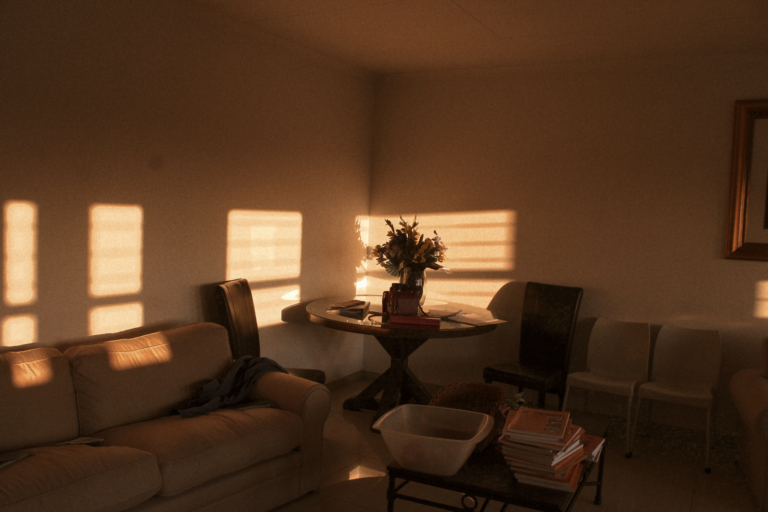
Our spaces play a significant role in how we perceive and engage with our surroundings. I have arranged my living room to facilitate this quietude. A low armchair sits by the window, positioned precisely to catch both the morning light and the whispers of the world outside. Here, the only sound is the distant chirping of birds, a natural soundtrack that enhances the tranquility. There is something deeply comforting about knowing the world is alive yet still so far removed from the frenzy of daily life.
Listening Beyond the Surface
Listening to the quiet also means tuning into the subtleties that often go unnoticed. In my home, the gentle creaking of floorboards becomes a symphony of sorts, telling the story of the house as it settles. Each sound is a reminder of the life that fills this space, of the moments shared and the history held within its walls. This attention to detail invites a deeper connection with my environment. It transforms the mundane into the extraordinary.
There is a delicate balance between noise and silence that shapes our experience. When I engage in simple tasks, like preparing breakfast, I often leave the radio off. The sound of running water fills the air, accompanied by the clinking of utensils against ceramic dishes. These sounds are unobtrusive, yet they anchor me in the present moment. Virginia Woolf once wrote about the power of quiet corners in our lives, spaces where we can gather our thoughts and listen to both ourselves and the world around us. In my own quiet moments, I find this is where clarity often emerges.
The Ritual of Attention
To cultivate a practice of listening, I have found that rituals are invaluable. Each morning begins with a ritual of brewing tea, a process that demands my full attention. The kettle hums as it heats, a soothing sound that harmonizes with the quiet of the room. I measure loose leaves, inhale their earthy fragrance, and watch as they unfurl in the hot water, their rich color blooming like a watercolor painting. This simple act of making tea becomes a meditation, a way to anchor myself before the day unfolds.
As I sip my tea, I often sit silently at my table, allowing my mind to wander. I observe the way the morning light shifts as the sun rises higher, casting long shadows that dance across the floor. This subtle play of light and shadow enriches my experience, reminding me of the impermanence of each moment. In the stillness, I can hear not just the external sounds but also the soft murmur of my thoughts, sharing space with the world around me.
The Value of Solitude
Embracing solitude is an essential part of listening to the quiet. Quiet moments often reveal truths that are hidden beneath the noise of daily life. There is a certain magic when I allow myself to be alone in the space of my home. It is in these moments that I confront my thoughts and feelings, free from distractions. The texture of solitude allows me to sift through my emotions, sorting the important from the trivial. Here, in the company of silence, I am free to explore who I am and who I wish to become.
- Begin with a morning ritual that engages your senses.
- Observe the natural sounds around you; identify them and consider their significance.
- Give yourself time to sit in silence, allowing your thoughts to flow without judgment.
- Notice how light shifts in your space and how it affects your mood.
- Practice solitude; make time for being alone with your thoughts.
Reflection and Growth
The act of listening to the quiet is not merely about the sounds or lack thereof; it is a practice of attunement and reflection. Over time, I have found that these moments of silence have led to personal growth. They offer insight into my desires and fears, illuminating paths I may not have otherwise seen. As I grow more comfortable with this stillness, I become more adept at recognizing the intricacies of my surroundings, building a deeper appreciation for the beauty that exists in the mundane.
Quiet environments encourage focus and foster creativity. When I sit down to write, having first indulged in the calm of the morning, my thoughts flow more freely. The sounds of the world outside blend into a soft backdrop, allowing my mind to wander while remaining anchored in the moment. This blend of silence and creativity feels like a dance, a rhythm that ebbs and flows, inviting exploration.
The Illumination of Attention
In his reflections on light, Tanizaki articulated how shadows can enrich our experience of space. Quietude, much like shadows, nuances our perception of the world. It allows us to discover depth and texture in our surroundings, revealing layers of meaning that are often obscured by the clamor of everyday life. When we listen to the quiet, we uncover the hidden poetry in our moment-to-moment experiences.
Ultimately, the art of listening to the quiet is a cultivation of awareness. It is about stepping back and allowing the world to unfold without interference. In this practice, we begin to see the beauty in simplicity, the richness in stillness. The mundane transforms into a canvas for reflection, and we discover the profound impact of a single moment spent in attentive silence.
As I sit in my sunlit kitchen, surrounded by the gentle sounds of a waking world, I am reminded that quiet is not an absence but a presence. It is a space for growth, reflection, and connection. I encourage you to invite this practice into your mornings, to listen deeply, and to embrace the quiet that whispers all around you.